Kyle Pulver is a bit of an indie gaming legend. If you haven't already, you need to download depict1 and Bonesaw: The Game, both platforming games that highlight the gloriousness of his work. He is a developer who clearly, deeply, madly cares about his output, and the sort of developer who should be fixed firmly on your radar.
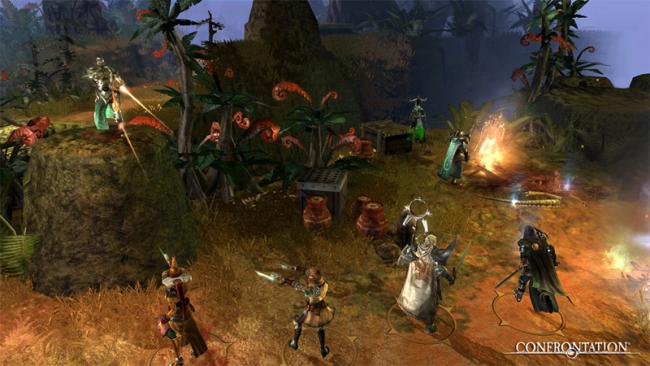
There are all kinds of tabletop games nowadays, and all kinds of gamers who play them. You've got your deck-builders who pour over their Magic cards, constantly trying to build the perfect deck. You've got your D&D groups spending hours on backstory and building dungeons that might get completely passed over. Then you've got your folks who are into the painted miniature scene.
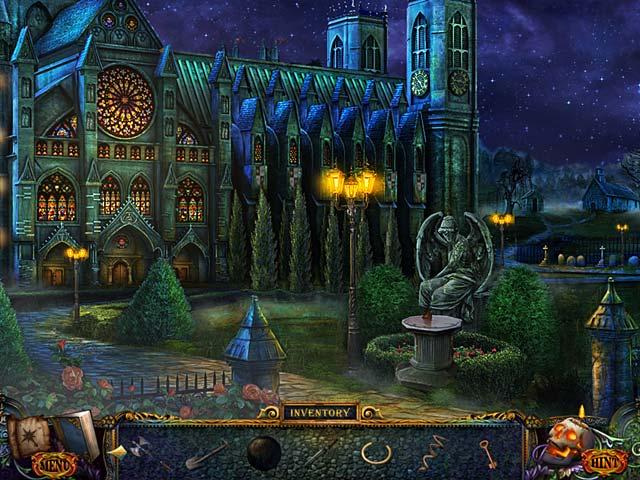
In this newest installment in the lengthy Hidden Mysteries franchise, you'll find yourself transported back to 1600's London as a handmaiden to Queen Elizabeth. Your honor is questioned when the queen's magical broach is stolen by another jealous servant and you're sentenced to death within the Tower of London. Things go from bad to worse as the broach is used in a dark rite, unleashing the souls of past rulers and criminals alike. You'll need to escape your dire fate and restore the broach to put these souls back to rest before it's too late.
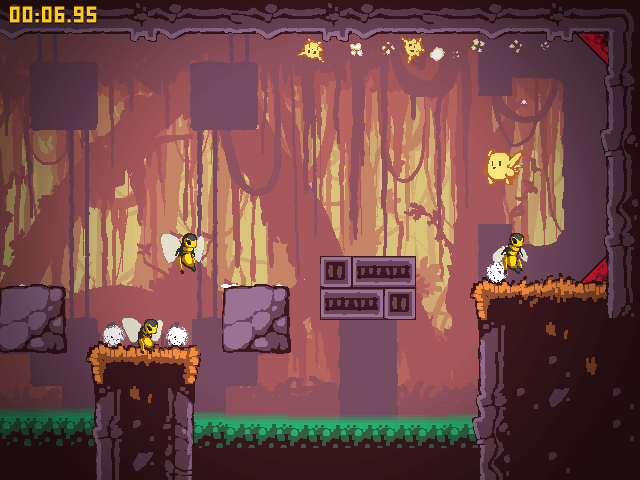
There's a certain something that a lot of platforming games completely miss the mark on these days. It doesn't matter how much content or excitement you cram into a platformer if you fail to take heed of just how important the feel of game's controls is. Make it too floaty, and frustration will soon set in. Make it too restricted, and players won't bother to come back for more.
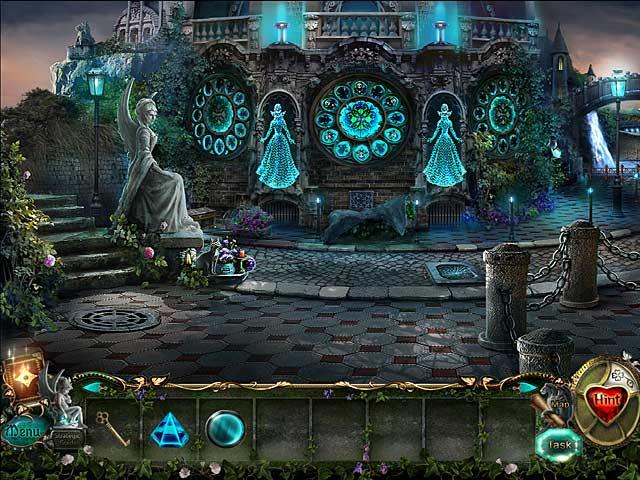
Why aren't there more sci-fi hidden object games? Is it because the genre's innately historical, and sci-fi is generally futuristic? Or is it that hidden object games are mostly played by women, and women don't gravitate toward sci-fi? In any case, it's a shame more games don't adopt sci-fi's unique themes. Then again, the new hidden object adventure Phenomenon: City of Cyan gives it a shot and fails miserably, thus demonstrating how difficult changing genres can be.
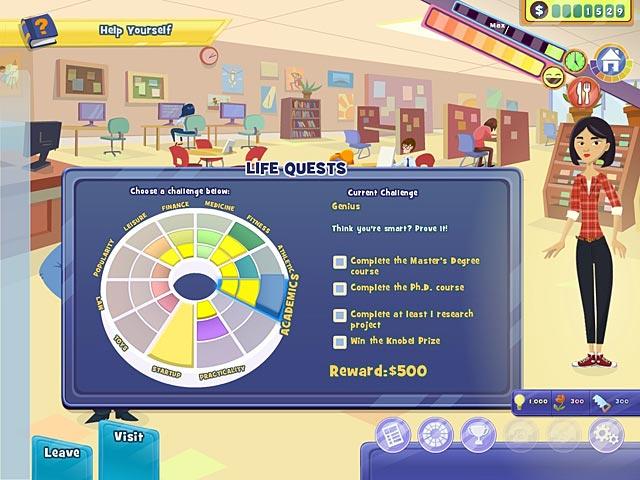
Life is hard. There's only a limited amount of time in a day, and a finite amount of money you can spend. Is it better to start working right away at a lower rate, or spend more time in school? Should you rent, buy, or invest? While Life Quest 2: Metropoville takes an over-the-top presentation on what one can achieve in a lifetime, its parallels to real life decisions are surprisingly accurate.
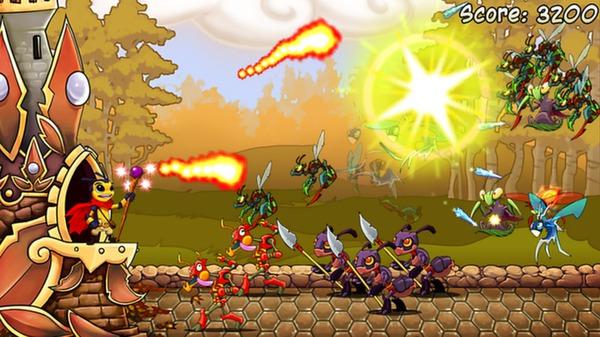
Bumbledore is a bee wizard who is out to protect the hive. I'll be honest: as a huge fan of the Harry Potter books, it's Bumbledore's name that first made the game stick out to me. Does it make sense or mean anything if you're not familiar with the Dean of Hogwarts? No. Heck, the game isn't a play on Harry Potter with bees or anything. It's just castle defense title starring a bee sorcerer with a clever name.
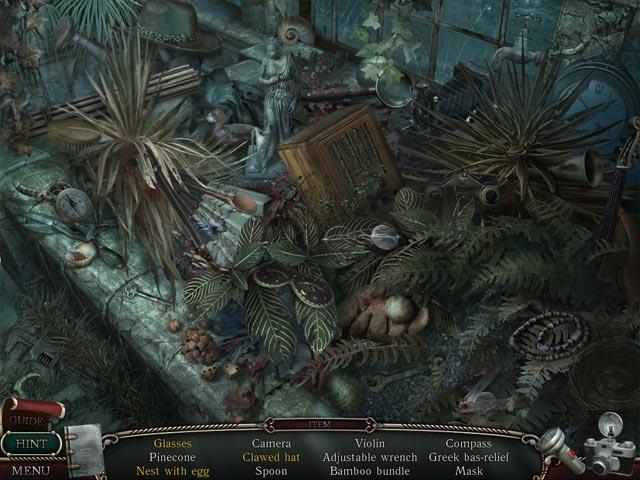
I gotta hand it to Artogon Games, makers of hidden object game, Shiver: Poltergeist. They did something few developers manage to do—surprise me. Although the game's premise isn't earth-shatteringly new (the hero suddenly inherits a big house from heretofore unknown relatives), it's presented in a creative way that'll keep you (as it did me) guessing. Furthermore, thanks to deft storytelling, cool characters and truly spooky visual effects, they did another thing few developers manage to do—scare me.


![All VV Ultimatum Titles [How to Get]](/wp-content/uploads/2026/06/vv-ultimatum-titles.jpg "All VV Ultimatum Titles [How to Get]")