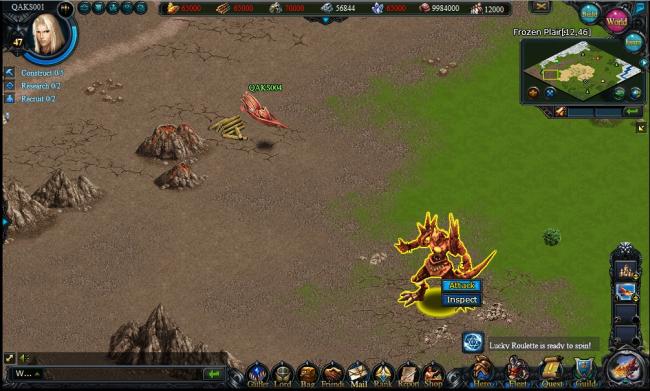
On the website where players can register to play, Atlus describes Knights of the Sky as a free-to-play MMORTS game. That description may not be 100 percent correct, but it is an interesting experiment: a browser-based strategy game with fantasy MMO and RPG elements and a heavy anime influence. It also doesn't cost anything to try, if any part of the last sentence caught your attention.
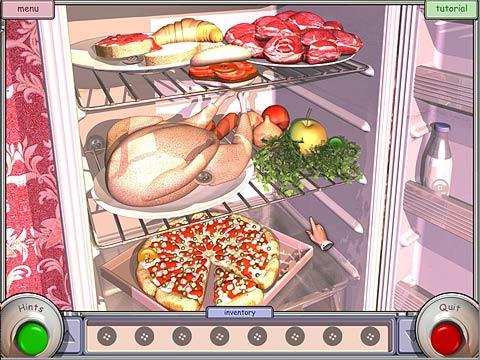
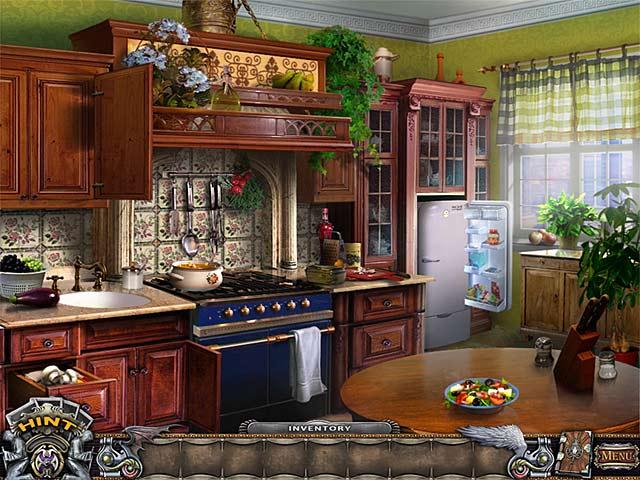
City of Fools, a self-proclaimed light-hearted and clever detective romp, is a welcomed thematic departure from the macabre mysteries that populate the hidden-object, puzzle-adventure (HOPA) genre. Absolutist can be applauded for attempting to break the thematic mold, even if the barrage of jokes about bodily functions falls flat and the execution is the most reminiscent aspect of classic adventure games (meaning, you're at the mercy of the dev's logic). The gameplay mainly consists of the townsfolk (or townsfools in this case) sending the player on meaningless retrieval tasks interspersed with a few puzzles and hidden-object scenes.
The "dungeon crawl" is a videogame sub-genre that was particularly big back in the mid-80s and early 90s, an era when computer games were designed not to entertain so much as to punish those who dared play them. Vicious, unforgiving difficulty was the order of the day and sudden death was always close at hand. For gamers of a certain vintage, titles like The Bard's Tale, Dungeon Master, Eye of the Beholder, Ultima Underworld and Stonekeep evoke memories of a simpler, better and absolutely magical time of sprawling catacombs, grid-based movement, DIY map-making and intractable frustration punctuated by moments of incredible satisfaction when puzzles were solved or tough battles won.
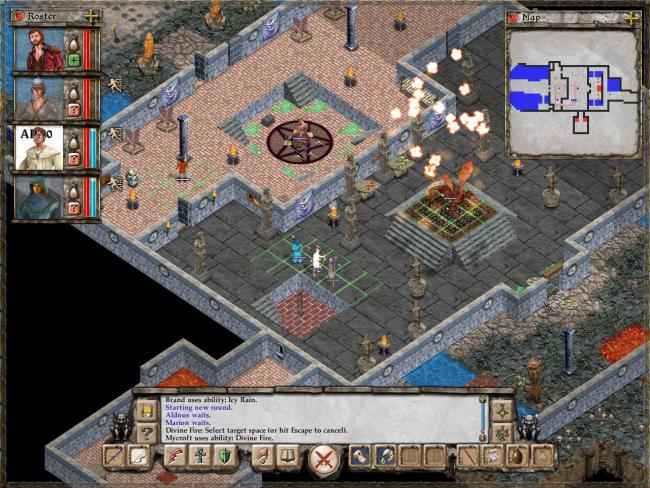
Breaking out of jail is kiddie stuff for a video game. Escaping when the prison in question is an entire underground world, filled with dangerous monsters and with no obvious route back to the surface? That's a little trickier. It can also be a lot of fun, as evidenced by Avernum: Escape From The Pit, an old school fantasy RPG given some new twists by Spiderweb Software.
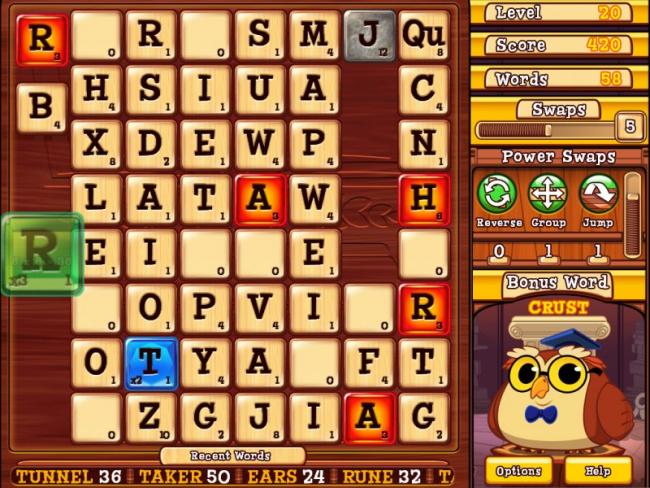
Word games are a dime a dozen. For every smash hit like Words With Friends or Quarrel, there are a handful of attempts that lack either the polish or the concept to stand out from the rest. Word U, like many word games, has a solid (though not very fresh) concept backed up with a visually pleasing style. There are some smaller annoyances, but Word U's biggest flaw is the inability to differentiate itself from the competition.
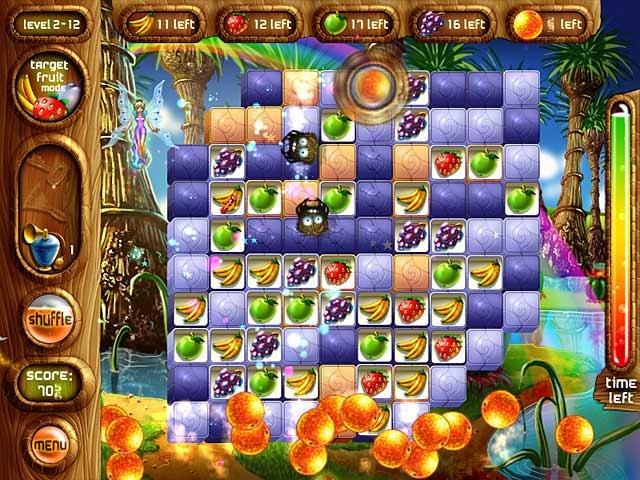
In a magical kingdom in a faraway land, a young girl named Alice spends her days working in the King's castle. Days of indentured servitude leave time for Alice to daydream, as she fantasizes of how wonderful it would be to grow her own garden in peace and freedom. These dreams become reality when a desperate fairy named Luna steals Alice from the castle and begs for her help in returning the fairy population's fruit supplies from a sorceress with evil intentions. Through a variety of match-three levels, you'll need to gather enough food for the fairies and ultimately save the day.
The thought of a card game mixed with a hidden object adventure is a unique one, and in Solitaire Mystery: Stolen Power, we see those two worlds collide in a game that had a lot of potential. Unfortunately, the final product lived up to none of it, leaving the only mystery to be where the rest of the game (and its fun) ultimately went.
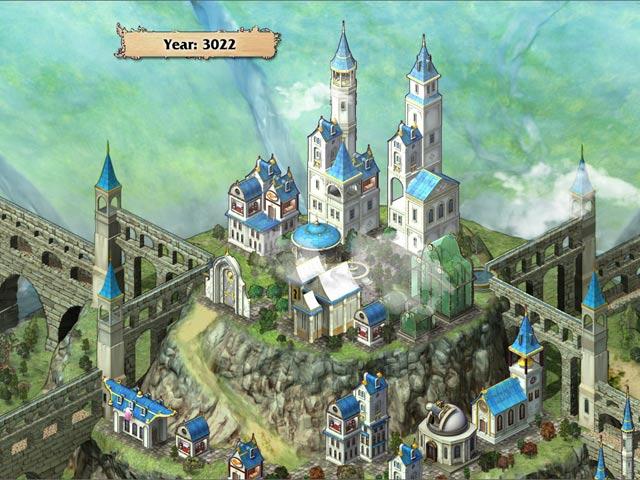
We've all been there. At some point in our young lives, our fathers (who all may or may not be Dukes), task us with designing a kingdom using magical problem-solving skills. Old hat, right? It's a rite of passage, similar to babysitting a younger sibling once you're old enough, or cleaning the gutters once you're tall enough. Citadel Arcanes makes such a mundane ritual like becoming the Grand Architect of a Citadel an engaging quest, so much so that you often forget the fate of an entire kingdom rests squarely on your shoulders.


![All VV Ultimatum Titles [How to Get]](/wp-content/uploads/2026/06/vv-ultimatum-titles.jpg "All VV Ultimatum Titles [How to Get]")