In a dark, twisted take on the story of the Pied Piper, Fairy Tale Mysteries: The Puppet Thief sees a shadowy, evil figure abducting children from a peaceful town called Arbourshire. Children have been vanishing from the town for decades, with the first abduction being reported a hundred years ago.
A prequel to The Book of Unwritten Tales, The Critter Chronicles takes us back in time a bit to explore the origins of the furry Critter we all love, as well as telling the tale of wannabe captain Nate and his perfectly legitimately acquired airship. It's old school adventure gaming to the core, complete with smart writing, hilarious dialogue, and more inventory puzzles than you can attach two sticks together and shake at!
The world - although it's not entirely clear which world - has come to an end. All that remains are the robots. Like the humans that built them, the machines eke out existences in a variety of ways; some in great, sprawling cities, others in hermit-like isolation. Horatio Nullbuilt v5 and his floating, sharp-tongued companion Crispin are two such robots, living alone in the midst of a great, lifeless desert. But when the core that powers the crashed airship they call home is stolen by a hulking, heavily-armed behemoth, they set out across the desert to reclaim it in a journey that ultimately leads them to the crowded, crumbling towers of Metropol.
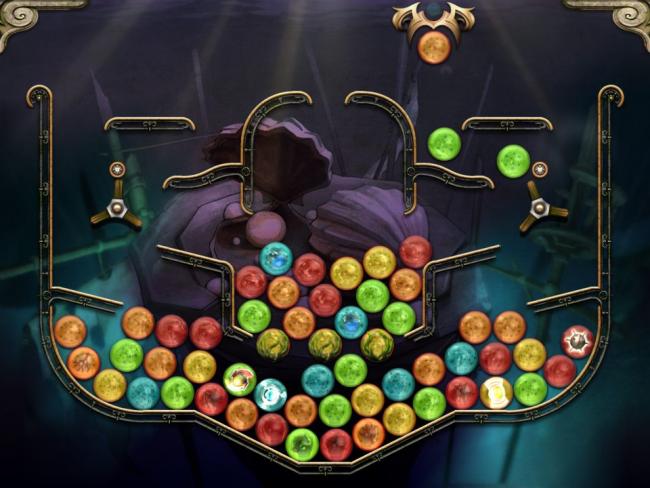
Few things are more exciting to us gamers than finding gameplay we've never seen before. The problem is, shortly after a new idea hits the scene, hundreds of copycat developers inevitably run it into the ground. That's definitely been the case with the bubble popper concept—that is, until now. In Alder Games' Atlantis: Pearls of the Deep, the miraculous has happened: someone's actually found a new way to play the shopworn bubble popper.
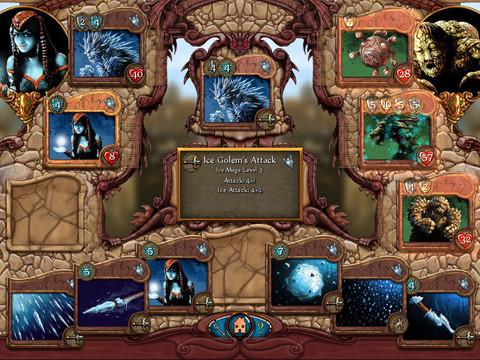
Northmark: Hour of the Wolf is one of a small group of games that work a tactical card game into a wider overarching framework of plot, blending in a few mini-games into the mix for good measure. Following in the grand tradition of the original Magic: the Gathering computer game from Microprose, these games can be extremely good. But that's a pretty big set of boots for Northmark to fill.
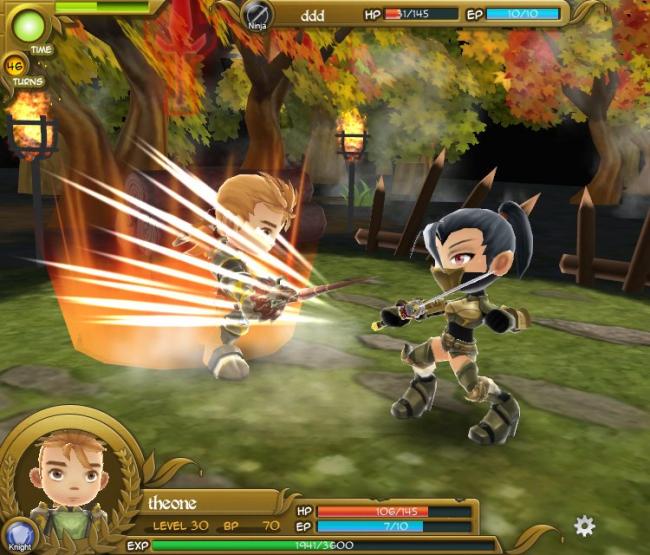
If you'd asked me a week ago, I probably would have denied the likelihood of finding an innovative fighting game in today's casual market. Even sensations like Nekki's Shadow Fight present clever spins on old ideas, and the challenges thus seem to lie in translating the successes of other platforms onto mobile devices or Facebook. So imagine my surprise when I started playing Dueling Blades and found an hour zipping by before my realizing it (after I ran into the inevitable energy wall). It's fun. It's challenging. And it's what the casual fighting genre has needed for a while.
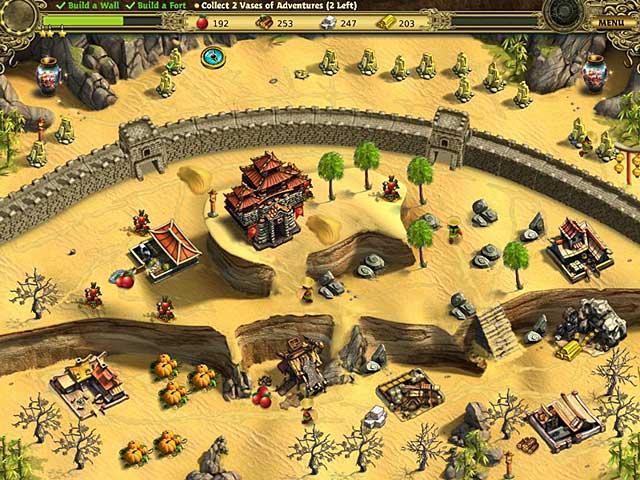
When it comes to time management/strategy games, most players know exactly what to expect going in: each level contains a series of tasks that must be completed by balancing the use of resources found in the environment. It's the twists and enhancements that developers implement in each game that makes one stand apart from the next, but in the case of Building the Great Wall of China, most of its alterations do far more harm than good to the final product.
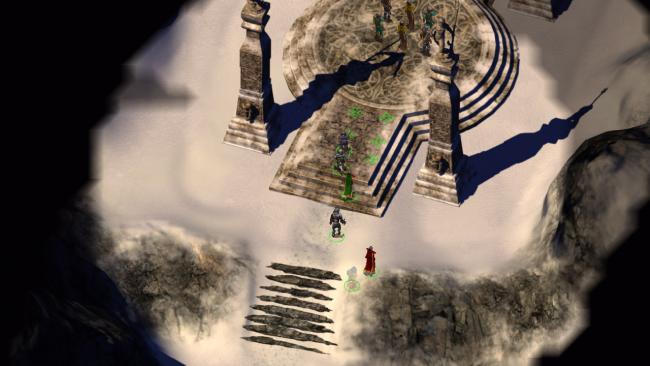
The smoky taverns of the sword coast are filled with veteran adventurers, gnarled wizards and spent warriors who've wasted their fortunes on travel and drink and earn their coin by recounting tales of their quests. The paladin, Justus was one such. But now danger springs anew in the musty lairs and dank caverns beneath the savage frontier, and I have called on Justus to press his rusty blade back into service once more.


![All VV Ultimatum Titles [How to Get]](/wp-content/uploads/2026/06/vv-ultimatum-titles.jpg "All VV Ultimatum Titles [How to Get]")