One of the more amusing aspects to the Pokemon GO phenomenon is the suspicion that some people have about Nintendo secretly tricking millions of people into downloading a fitness app disguised as a Pokemon game. We’re guessing their primary motivation …
Disease is a pretty prevalent theme in entertainment. Whether we're talking about books, movies or games, there always seems to be some sort of world-ending plague right around the corner (and in the case of The Walking Dead, we can do all three: read, watch, and play!)The makers of Plague Inc., a top notch mobile game with the sort of viral success that its subject matter could only dream of, recently took to the stage at Nine Worlds Geekfest in London. They were joined by a group of scientists, and together they partook in a discussion on why the subject of disease is so popular in video games, movies, and more. It's a fascinating watch - especially if you're interested in why popular culture is so often driven by an apocalyptic case of the sniffles.The above video was a session at Nine Worlds Geekfest 2013. The session was supported by The Wellcome Trust as part their engagement with with the games, broadcast and film industries and commitment to gaming as a form of public engagement with science. They are on Twitter at; @WellcomeTrust.
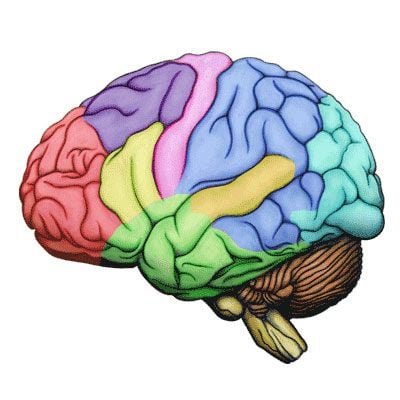
Video games have the ability to change a person's brain, but the myth is that it's for the worse. It has long been suggested that gaming negatively impacts our children. The press consistently focuses on the negative aspects of video games: the correlation with "rotting" the brain, encouraging aggressive behavior, promoting anti-social behavior and the list goes on. Must we always look at the downside of something we are not altogether familiar with?For countless reasons, parents and teachers are hesitant to use gaming technology in the classroom. As both a parent and veteran teacher of 14 years, I've had numerous discussions with colleagues who consider video games as simply "mindless" fun. But, those critics are unaware that the touchscreen taps, mouse clicks and joystick jiggles can help sharpen cognitive skills.Edu-gaming—a now-popular concept that integrates games with education—disputes the theory that video games will rot children's brains. A recent and compelling article by writer Nic Fleming discusses how educational games are proven to help people see better, learn more quickly, develop greater mental focus, become more spatially aware, estimate more accurately and multi-task more effectively.As the current lead for reading engagement innovation at Evanced Games (a company that designs influential educational mobile game apps for kids), I spend time each week playing edu-games with children in their school environments. This gives me firsthand experience with the benefits of video games. When played with a purpose, video games are important tools for helping kids take the skills they learn in school and build upon them further after the school day ends.
I was two days into Game Developer Conference when I went mute.It came out of nowhere early Wednesday evening. Somehow, my vocal chords had become fried, leaving me whispering and whimpering - especially when I thought about the two days of meetings I still had left on my schedule.
You might be embarrassed about how often you play video games, but don't worry - a new study has revealed that this habit may actually be good for you.


![Digimon UP Tier List [Supports, Buddies, and Partners]](/wp-content/uploads/2026/07/digimon-up-tier-list.jpg "Digimon UP Tier List [Supports, Buddies, and Partners]")


![Haze Seas Boss Drops [Chances, Locations, and How to Spawn]](/wp-content/uploads/2026/07/haze-seas-boss-drops.jpg "Haze Seas Boss Drops [Chances, Locations, and How to Spawn]")