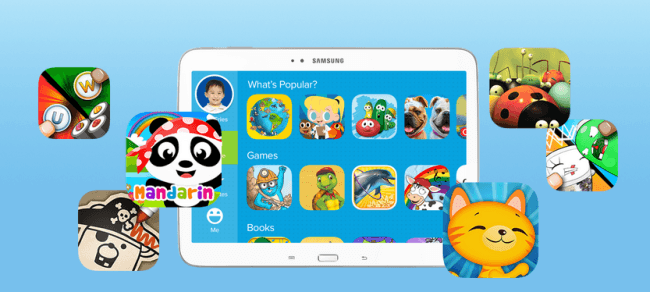
It's no secret that kids in the U.S. are lagging behind in the STEM subjects - also known as science, technology, engineering and math - when compared to their counterparts in other countries all over the globe. The reasons why are common fodder for both polite and political debate, but rooting out the cause pales in importance compared to finding a solution.Fingerprint thinks it can help. The San Francisco-based company believes in its approach, combining first party content and the curation of top educational games from developers all over the world, all served up on its own platform. Some big brands are on the Fingerprint bandwagon too, tapping it to help create their own mobile kids networks."But that's the macro picture. When it comes to the specific area of STEM learning, Fingerprint already has an impressive group of offerings that attack the problem from different angles. Games like Equator and Cosmic Reactor turn math into a multiplayer affair, while Not Lost in the Universe teaches about renewable energy sources in the course of an interactive story. Other apps tackle business, math, geography, biology, and more, all tested by children and approved by experts before it hits Fingerprint Play.The company has apps that teach letters and language skills as well, but according to Chief Creative Officer Michael Chanover, the more technical subjects have emerged as a primary focus. "We know with the increase in importance in the educational system in the U.S. and beyond how important STEM is becoming," Chanover said to Gamezebo. "We know, especially in America, there's a great big gap to fill with regard to STEM education, opportunities and jobs. It's something we all see as important. And with the mobile content that we develop, the curriculum that we have in a lot of our games, we believe that we're really helping bridge that gap."


![All VV Ultimatum Titles [How to Get]](/wp-content/uploads/2026/06/vv-ultimatum-titles.jpg "All VV Ultimatum Titles [How to Get]")