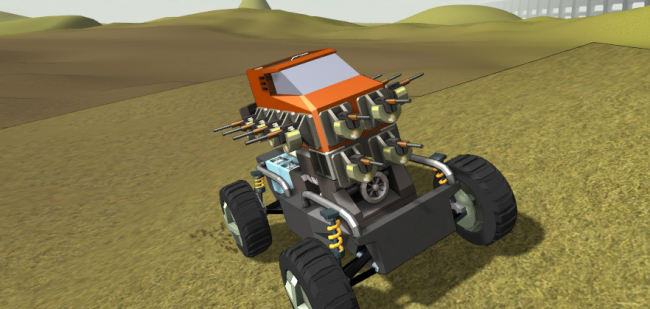
In a postmortem post on IndieDB, Scraps developer Bill Borman provided some insight into what he experienced while establishing, and eventually succeeding at getting his gamefunded through Kickstarter. The interesting thing to note, as Borman points out in the post himself: he was just a relatively unknown games creator, handling everything himself."Yes, there was a lot of work involved and yes, there was still a fair amount of luck involved as well," Borman beings the postmortem by saying. "I made an attempt to build up a community for Scraps right from the start. People often ask whether giving so much away so early creates a risk of the idea being stolen. The risk of obscurity is much worse.""Borman outlined a number of things that he accomplished before launching the Kickstarter campaign, which he feels contributed to the campaign's success. He worked to improve his social media presence by creating a Twitter account and revising his pre-existing Facebook page. He also started development threads on sites like TIGSource and the Unity forums, while also maintaining a presence on IndieDB and Reddit. Borman also cross-posted updates to Scrap's page on Steam Greenlight Concepts.
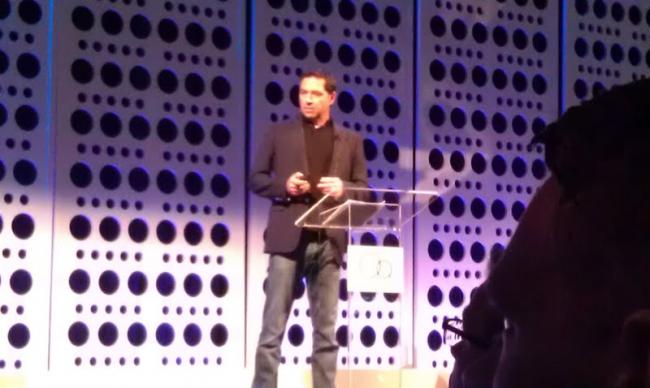
With two successful Kickstarter campaigns and dozens of releases under his belt, inXile Entertainment's Brian Fargo knows a thing or two about the video game industry. Speaking at the Gaming Insiders Summit on Thursday, Fargo talked about the origins of Wasteland 2 and Torment: Tides of Numenera, inXile's efforts to constantly involve their fans, and how crowdsourcing looks to become permanent fixture in the industry, if it's utilized well.Together, Wasteland 2 and Torment both raised over $7 million. Fargo explained that the crowdfunding industry (combining all sites and projects, not just Kickstarter and games) is projected to bring in $3 billion this year. Fans of games and other projects are obviously demanding content and products that publishers aren't willing to support. As Fargo discussed, the only way to satisfy the desires of that crowd is to build something without the backing of a publisher. While he didn't directly condemn publishers, he did provide a good argument as to why crowdsourcing is the best route for developers, regardless of their history or affiliations.
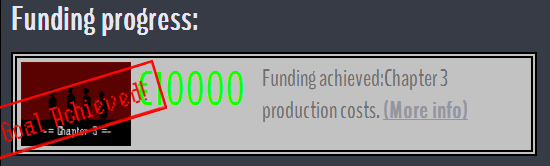
Less than a year ago, The Last Door surpassed its humble Kickstarter goal of £3,852. The crowdfunding pitch promised a heavily pixelated horror experience set against an enthralling, orchestral soundtrack. The series would be episodic, with each new entry coming to life only if the community willed and made it happen. With the third chapter, The Four Witnesses, having just reached its funding target, the community has spoken: we're not ready to close the door. We talked with The Game Kitchen's Community and PR Manager Raúl Díez about crowdfunding, crowd support, and the challenges and joys of maintaining an episodic game series that, thankfully, shows no sign of ending any time soon.While a successful indie game campaign is not an uncommon event these days, The Game Kitchen had a unique, elongated approach to crowdfunding from the get-go. Kickstarter was only the (critical) beginning, funding the pilot chapter in what would hopefully become an ongoing web series. Backers on Kickstarter earned early access to this pilot, and backers who pledged 10 pounds or higher became "premium members" for life.
When it comes to raising money to produce a video game, few words have garnered as much attention in the last few years as "crowdfunding." But while Kickstarter might be the biggest dog on the block, it wasn't the first crowdfunding site on the web, and it may not even be the best.
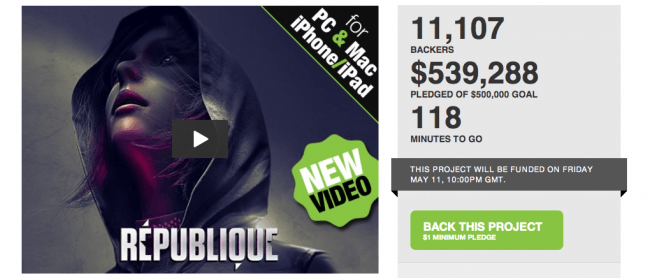
Crowdfunding sounds easy (just put up a page on Kickstarter and watch the bucks roll in for your new video game project), and on the surface, it may very well be so - at least in principle. But successful crowdfunding generally doesn't happen by accident. If you look at triumphant gaming projects across the Web, you'll find that many share several attributes in common, including one or more of the following building blocks:
Crowdfunding seems like a dream to many video game developers - just post up a pitch for an unfinished gaming project, and watch the pledges and donations roll in. But as veteran crowd funders will tell you, the actual process can be something of a nightmare, and success is far from certain. Certainly, crowdfunding can be a powerful too for launching and marketing any new business or startup. But before diving in, make sure you understand the benefits and risks associated with the practice.
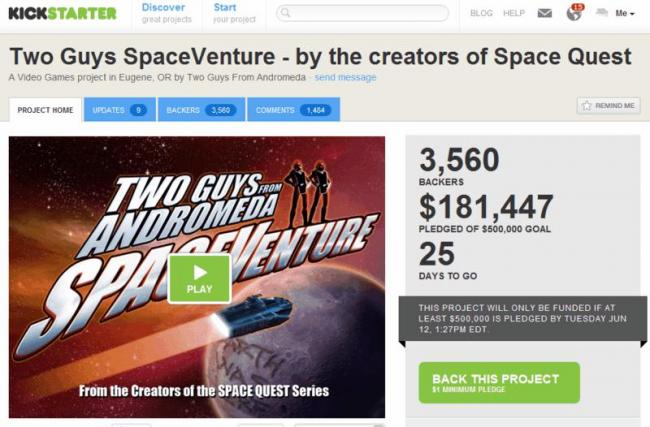
As if you need me to tell you: it's safe to say that we're officially in the midst of the Kickstarter craze. The tip of the iceberg came with Tim Schafer and Double Fine's wildly successful adventure game project and it's $3.3 Million raise. From there, the floodgates were open. Whether it was prominent industry members, independent developers, or first-time creators, people took to the internet hoping to join the gold rush, all driven by same unshakeable belief: Gamers wanted to fund games online.


![Digimon UP Tier List [Supports, Buddies, and Partners]](/wp-content/uploads/2026/07/digimon-up-tier-list.jpg "Digimon UP Tier List [Supports, Buddies, and Partners]")







![Haze Seas Boss Drops [Chances, Locations, and How to Spawn]](/wp-content/uploads/2026/07/haze-seas-boss-drops.jpg "Haze Seas Boss Drops [Chances, Locations, and How to Spawn]")


![Why Kickstart when you can Indiegogo? [interview]](/wp-content/uploads/2021/08/news-Indiegogo1.png "Why Kickstart when you can Indiegogo? [interview]")