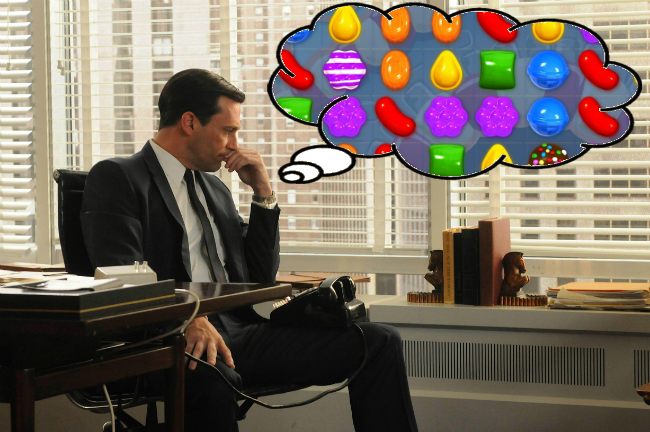
I want to shout “spoiler alert!” to myself here, as I’m apparently one of the few people yet to binge watch the newly released third season of House of Cards. It’s high on my list of priorities, but has thus …
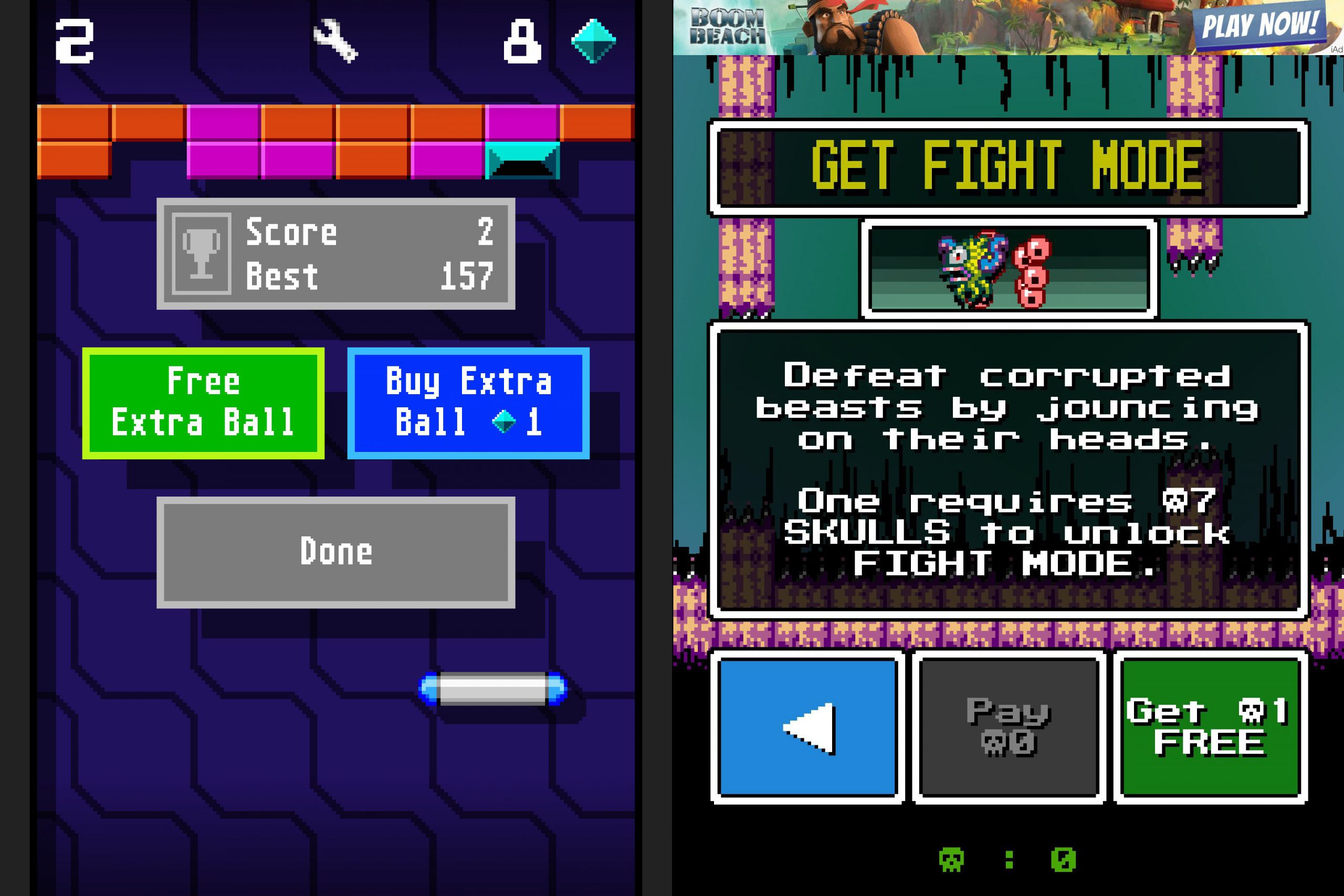
Earlier this month, right as the video game industry began gathering for the annual E3 trade show, Apple enacted a policy change and began rejecting apps (and app updates) that incorporated advertising-based rewards and social sharing. That opened the company up to …
Apple is changing course on their controversial decision recently to reject apps which use incentivized video ads. Apple was rejecting apps for giving rewards such as in-game currency or continues in exchange for watching a 15-second video ad from a …
Facebook has dropped two partners, HasOffers and Kontagent, from its mobile ad measurement program for holding onto user data too long, according to AdExchanger's blog. Yes, I know - it's not as sexy a news story as what's the latest happening with Flappy Bird. But this is news that is actually far-reaching, and affects any game developer who pays for installs to drive traffic to their games in an attempt to reach (and stay in) the Top 10 game charts. (e.g., everyone aside from developer of Flappy Bird).It is widely acknowledged that the best ad partner to drive installs for apps is Facebook. Only Facebook has the mobile reach through its news feed and targeting capability to really push the needle with game installs. It's not cheap, but it works (hence why Facebook earns $1.3 billion - more than half its revenues - through mobile today). When Facebook lifts a finger, the mobile game world shakes.
I am not talking about the makers of Candy Crush Saga, though I guess I could be. Spending the day at the Mobile Games Forum in London, the most obvious observation is this: to be successful in games in 2014, you need to have either have a lot of luck or an even greater amount of money. How much? I have heard through the grapevine that some ad campaigns are starting at $500,000. Yes, I just said $500,000. And that is just for one ad campaign at launch.The problem is that with so many games being released, it's very hard to be discovered. The best way is to get in the top lists of Apple's App Store or Google Play, but once you are in that top list you're spending a lot of the money you're making to stay on top. Plus you're crowding everyone else out and making it more expensive for them in the process.
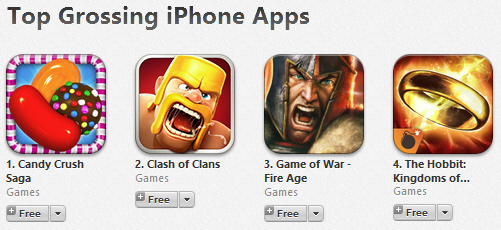
Tell me if this sounds familiar: you're browsing your favorite website on your phone, and without realizing it you've clicked on an ad. Oops! Guess your finger slipped, and that's why you're now in the App Store being told to download Candy Crush Saga (even though as a Gamezebo reader, you probably already have it).Maybe your finger slipped… but maybe it didn't.Sites all around the web this week (like Digiday, TechCrunch and Valleywag) have been reporting on a strange and somewhat sleazy phenomenon: ad networks that are automatically sending you to the App Store to download the game they're pitching. Games that have been mentioned as part of this scheme include Candy Crush Saga, Clash of Clans and Game of War - Fire Age.In other words, the three top grossing games on the App Store.
Successfully marketing a game in the mobile space is never easy, but it's especially difficult when you're dealing with children. For starters, they don't have access to the same suite of websites as other demographics, and are thus insusceptible to a lot of ad campaigns. Ziosk CMO John Regal hosted a talk on the subject, and provided developers in the audience with some much-needed advice on how to get their games in front of kids.


![Digimon UP Tier List [Supports, Buddies, and Partners]](/wp-content/uploads/2026/07/digimon-up-tier-list.jpg "Digimon UP Tier List [Supports, Buddies, and Partners]")


![Haze Seas Boss Drops [Chances, Locations, and How to Spawn]](/wp-content/uploads/2026/07/haze-seas-boss-drops.jpg "Haze Seas Boss Drops [Chances, Locations, and How to Spawn]")