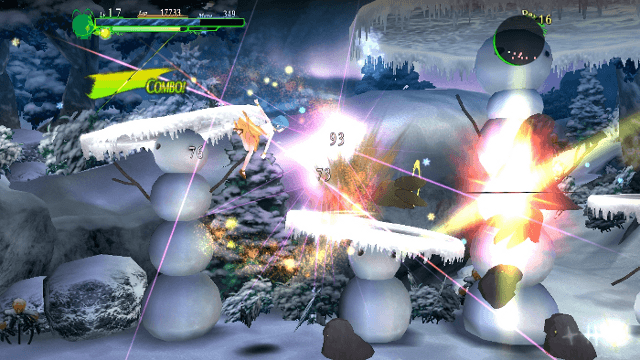
Fairy Bloom Freesia is a 2D manga-inspired side-scrolling fantasy beat 'em up with light RPG elements. You play as a young, green-haired and spunky fairy-lass named Freesia who has been given the sacred duty of protecting the psychedelic forest she dwells in from any manner of sketchy creature that might do it harm. The plot's pretty ridiculous, honestly, and isn't where the game shines. It's the frantic ping-pong paced gameplay and RPG like customization features that make this a rather decent pick-up for fans of the genre.
When gourmets aspire to open up restaurants, how many of them really stop and consider the less glamorous parts of managing an eatery? We're talking about starting from utter scratch by serving up artery-clogging fare in a bare, grey-walled box that somehow passes for a restaurant. We're talking about hanging over the deep fryer for 12 hours a time, setting up rat traps, and pitching garbage. We're talking about all the stuff you need to deal with if you want to scratch out a living in Cook, Serve, Delicious, a time management/restaurant game for the PC.
With any luck, bullying's next on our list of societal ills to become extinct. But when that happens, it could mean the end of the uber-villain. In stories, the villain is usually born after being mistreated by his peers; let's face it—revenge is a great motivator. In Web of Deceit: Black Widow, we meet a particularly interesting evildoer—one who uses her lethal charm to settle a few old scores—and in the process, we learn something about how villains are made.
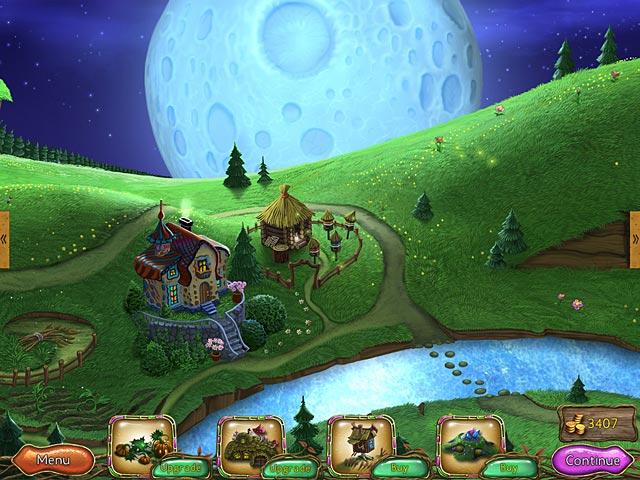
Lost in Night is one match-three game that feels odd from the very beginning. It entirely lacks an introduction or cutscenes, and instead throws you straight into one of three match-three modes. After just a few levels, it becomes clear that Lost in Night's attempted inspiration are the games in the Cradle Of Rome series, as your main challenge is to build a cute and whimsical town on a grassy knoll. However, with limited instructions and no real depth of which to speak, this is one experience that's hard to cradle.
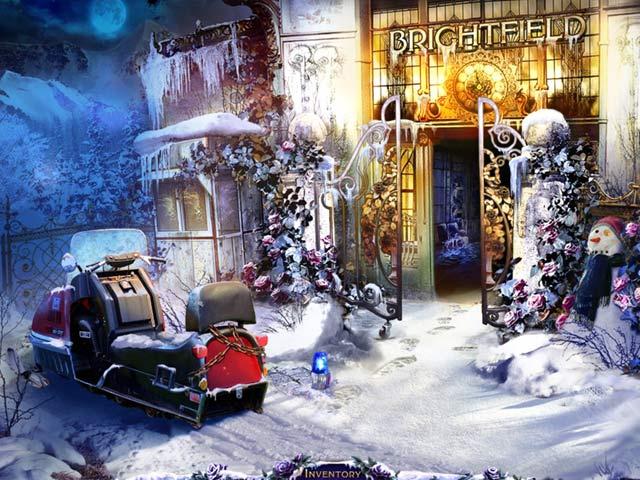
As a biosafety agent working for the US government in the 1960s, your life is more about scientific explanations than supernatural phenomena. Your job is to investigate the cause of diseases and stop them before isolated incidents turn into national disasters, but when the townsfolk of an entire city freeze in their tracks and are neither living nor dead, science won't come close to helping you explain what has happened.
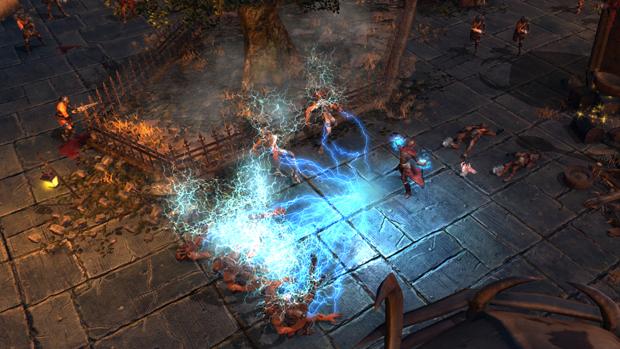
It's now law that, whenever you discuss a hack 'n' slash game, you must mention Diablo. OK, so this isn't 100 percent true, but I challenge you to find a review, news post or preview of a hack 'n' slasher on a video game website that doesn't mention Blizzard's behemoth franchise. It is the series that every other dungeon crawler is compared to, and rightly so.
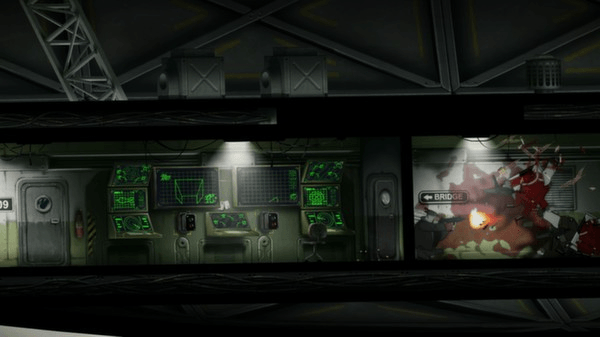
Do you ever play an indie game and think to yourself, "This is pretty cool, but it could be something amazing if the developer just spruced it up a bit here and there?" That's exactly how I felt about Rocketbirds Revolution way back in 2009 - a lovely Flashback-styled platformer that just felt a little too rough around the edges at times to fully enjoy it.
I admit, I'm a confirmed pessimist. While I've played (and loved) all the Mystery Trackers games, I can't help but harbor the perverse expectation that one day the games' makers—Elephant Games—will let me down. Fortunately, today is not that day. With the release of Mystery Trackers: The Four Aces, the fourth in the Mystery Trackers series, Elephant has once again proven its hidden object/puzzle game prowess with a near-perfect example of casual interactive entertainment.


![All VV Ultimatum Titles [How to Get]](/wp-content/uploads/2026/06/vv-ultimatum-titles.jpg "All VV Ultimatum Titles [How to Get]")