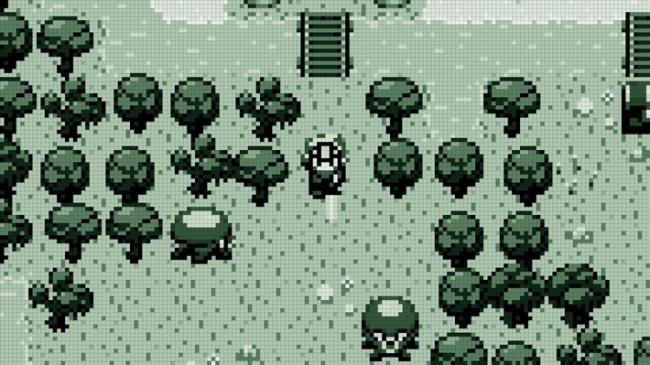
Gamer nostalgia: a force to be reckoned with. It's encouraged ports, remakes, and replays of an untold number of games we simply refuse to forget. It's brought pixelated graphics back into mainstream acceptance over a decade after they became dated. And now gamer nostalgia has become its own gameplay mechanic, thanks to Evoland.
It's likely rough for developers of interactive novels to hit the sweet spot that falls just in between "interactive" and "novel." If your novel relays a big tale without stopping to let you make a story selection, it's not very interactive. On the other hand, all the story selections in the world won't make a boring game worth playing. If a studio is unable to strike a perfect balance of interactivity and decent storytelling, then it's preferable to do like Dysfunctional Systems Episode 1: Learning to Manage Chaos and give the audience a solid tale over lots of decision-making.
In what is a sentence that I'm about to have taken wildly out of context from this point onwards, the "match-3" sub-genre shares a key similarity with the works of William Shakespeare. That being: it's at the focal point of people's obsession with "reinvention." In the same way you'd be hard pressed to go watch a performance of Hamlet today without hearing about the bold choice to set it in a dystopian future or the wild west, each new jewel, orb, or color-matching release comes complete with a twist.
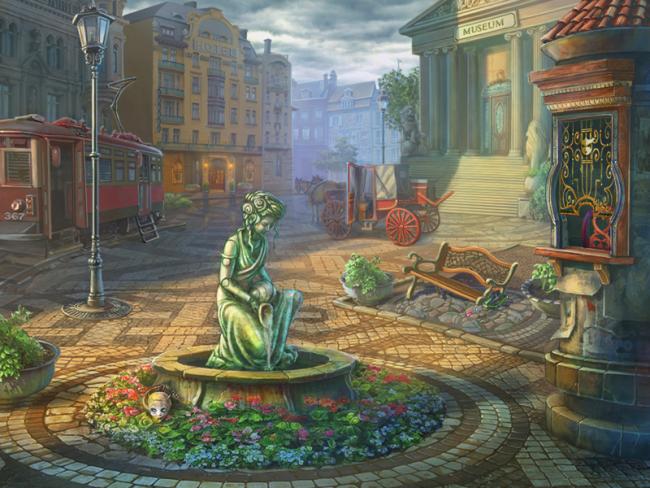
In what is possibly the most consistently creepy adventure series around, PuppetShow is back with a new installment in PuppetShow: Destiny Undone. The scampering doll head on a mechanical spider's body is also back, complete with its bad attitude as it causes mischief everywhere you go. Somebody smack that thing with a broom already!
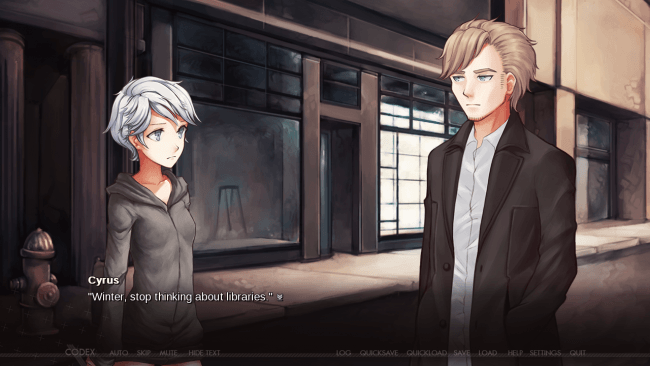
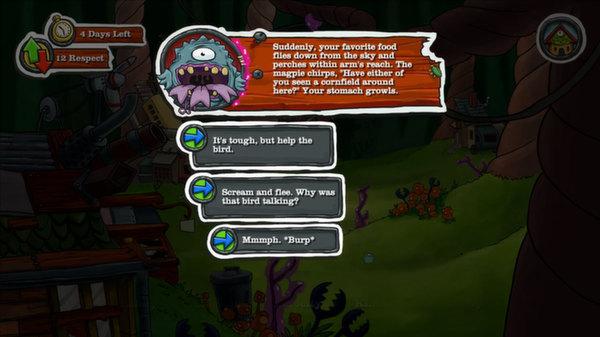
Monster Loves You! playfully bills itself as a monster "life simulator." While genres are malleable and rarely set in stone, I'd like to reclassify it right now: Monster Loves You! is a visual novel. It's a charming, unexpected visual novel arranged entirely around the choices you make, but a visual novel all the same. Semantics out of the way, we can now focus on whether or not it's a good game. (Spoiler: it is.)
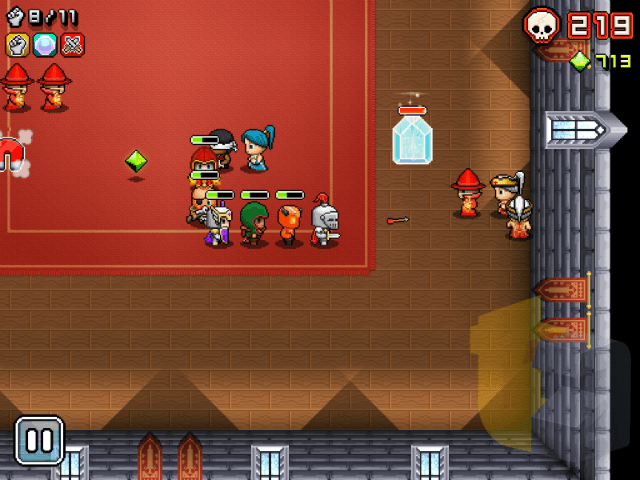
With Nimble Quest, NimbleBit had nothing to prove, but a lot to gain. Earlier releases Pocket Frogs, Tiny Tower, and Pocket Planes had cemented the indie trio as masters of time management, and a studio to watch. That their next title would be a quality release was almost a foregone conclusion. And yet, from the earliest leaks to the most recent footage, this game stuck out as the biggest departure yet from the company's tried-and-true compulsion loop. A chance to show that NimbleBit wasn't a one-genre wonder. A chance I'm very glad they took.
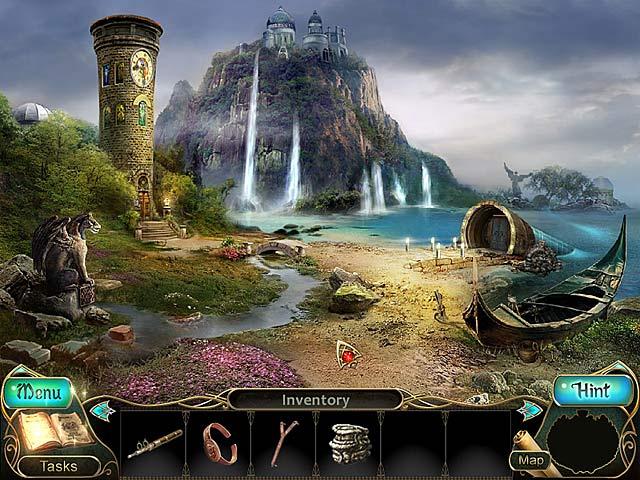
No one has ever seen a falling meteor and thought "now there's a good omen!". The residents of Meteorite Island certainly didn't, and years after the event they still struggle with clan disputes and unexplained events. Phenomenon: Meteorite places you in the shoes of Daniel, a young man whose destiny is to find his parents, dig into the island's past, and see if he can restore peace to its people once again.
Spooky mansions have long been the bailiwick of mystery writers, but for a while now, hidden object games have been horning in on their territory. Secrets of the Dark: Mystery of the Ancestral Estate is set inthe villa of a family of inventors who, aside from inventing bizarre contraptions, spend their time trying to stop one of their psycho siblings from taking over the world. Although the game stumbles at both beginning and end, in between it presents some unusual and fascinating gameplay.


![All VV Ultimatum Titles [How to Get]](/wp-content/uploads/2026/06/vv-ultimatum-titles.jpg "All VV Ultimatum Titles [How to Get]")