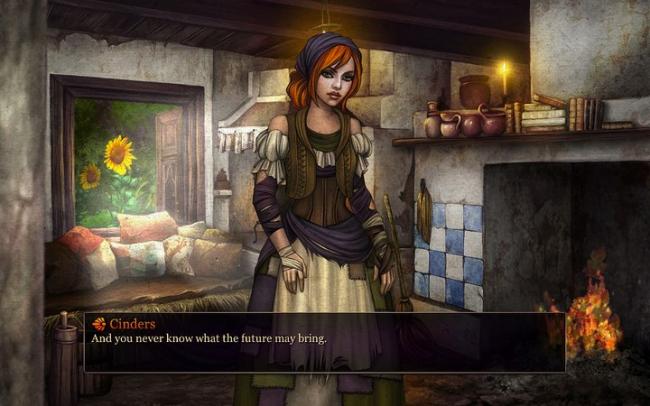
For some time now, the makers of mass market entertainment have been rediscovering fairytales, banking on these stories' perennial appeal to make imaginative new TV shows, movies, games and novels. This month, casual game developer MoaCube brings us Cinders, a stylish role-playing-game/interactive novel based on the original Cinderella story. While thus far, interactive novels have been more popular in Japan than the U.S., once American audiences get a load of titles like Cinders, that audience is bound to grow.
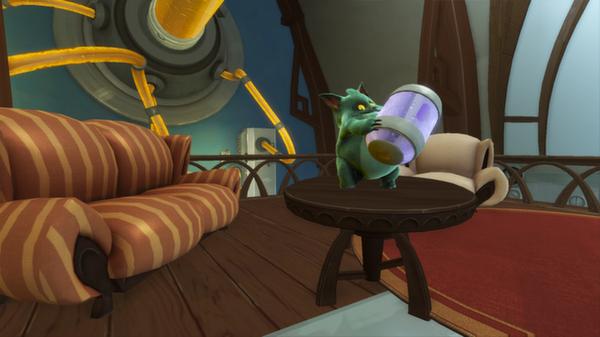
The same way I occasionally get tired that random passersby mistake me for Gerard Butler, I can only imagine that Kim Swift and her team are getting tired of having Quantum Conundrum constantly berated as a "Portal clone". Yes, they are both witty first-person puzzlers with a unique dimensional physics mechanic. Unknown by many, Swift left Valve to pursue Conundrum, so you'd think she'd be off the hook by now.
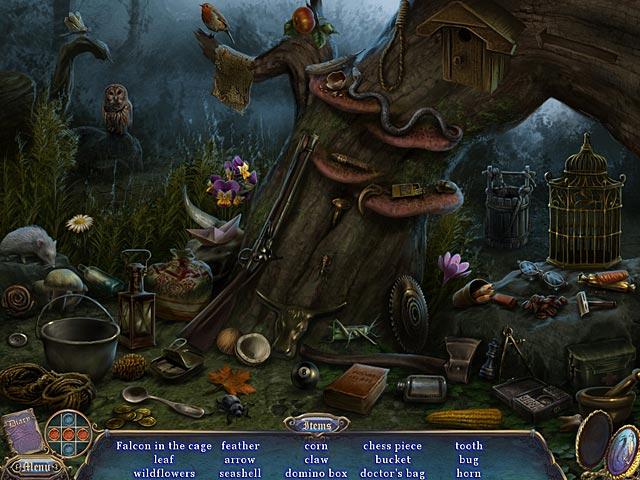
Sister's Secrecy: Arcanum Bloodlines tells the story of Belle and Ariel, a pair of identical twin sisters that are orphaned in childhood and have always shared more than the average twin-bond. There's something special about Belle, as dark visions of the twins' supposed past has haunted her entire life. When Belle goes missing at the hands of cultists using dark magic, it will be up to you as Ariel to track down your sister before she is lost to the darkness forever.
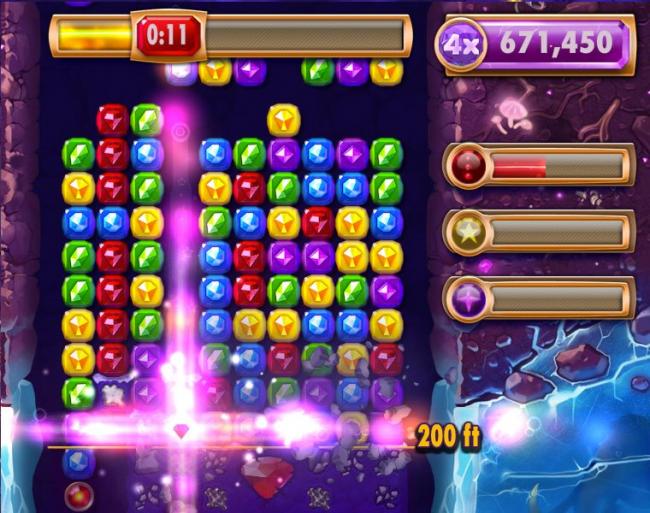
Last week I caught my daughter in the backyard digging a giant hole with a trowel. When I asked what on earth she that she was doing, I was informed, quite succinctly, that "I'm digging for treasure, daddy!" This week I found myself asking Zynga the same question in regards to their latest title set in the increasingly crowded match-3 genre on Facebook, and as it turns out, the answer was largely the same.
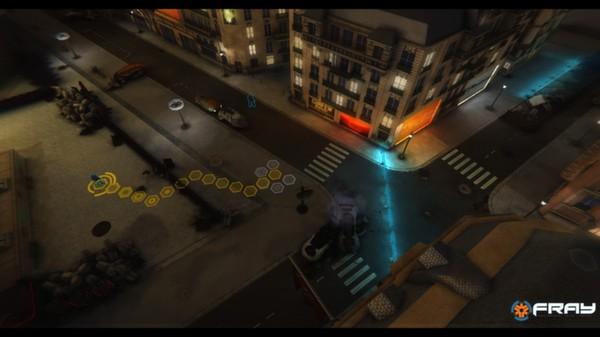
Sometimes ideas look great on paper but just don't turn out that great in reality. Take Fray, for instance. A simultaneous turn-based tactical shooter set in a futuristic yet familiar world is a fantastic idea for the FPS-challenged gamers out there. Unfortunately, the game in its current state simply doesn't live up to the the promise of its concept.
The hidden object genre is still relatively new to the social platform, but it's already in danger of getting stale. The first of these games basically slapped a hidden object element onto Farmville-like environment building mechanics, and many subsequent titles simply duplicated their efforts. Fortunately, some game makers are seeing the need to expand on the formula, and Rooms of Memory, the latest hidden object adventure from prolific social game publisher 6waves, is a flawed, but encouraging indicator of how the genre's developing.
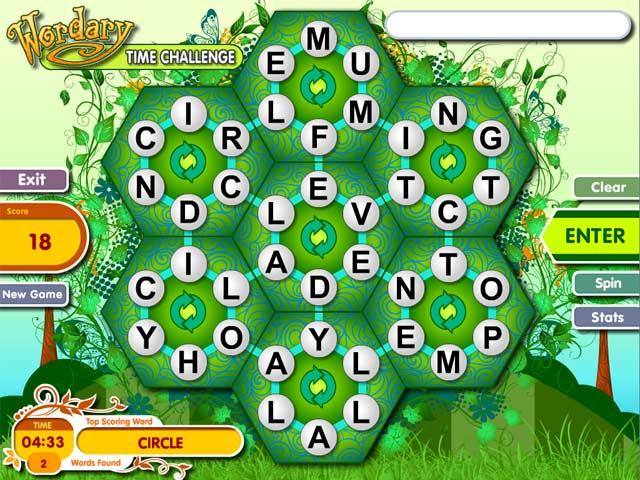
I've always enjoyed word games. Probably because I've always enjoyed words. I spent many hours of my youth playing games like Boggle and Scrabble, and my enjoyment continued into my adult years with digital pursuits like Text Twist and Bookworm. When it comes to word games however, there really isn't a whole lot someone can do to present something fresh and new. Wordary bucks that trend, looking to bring something a little different to a genre that doesn't offer a lot of room for variation.
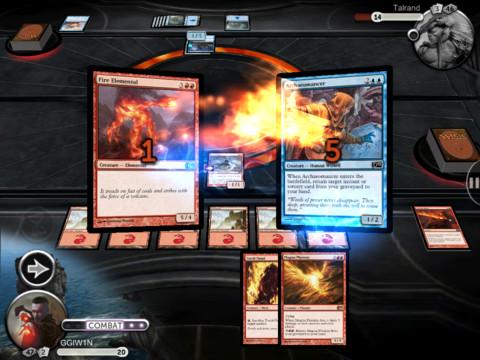
On the off chance you're not familiar with Magic: The Gathering, we're talking about the granddaddy of all trading card games here. It's been around for nearly 20 years in its print form, has millions of players, and is played competitively as much as it is for fun. This sort of thing doesn't happen by accident. In case these numbers didn't make it clear, let me spell it out for you - Magic: The Gathering is good stuff.


![All VV Ultimatum Titles [How to Get]](/wp-content/uploads/2026/06/vv-ultimatum-titles.jpg "All VV Ultimatum Titles [How to Get]")