For so many of today's gamers, Mario is an indelible, irreplaceable part of their nostalgia. He is unashamedly the reason I fell in love the medium, and his many adventures have defined the way we play, and - in many cases - redefined it... all without talking down to or patronizing the gamer. Don't worry, though: Lee-Lee's Quest 2 is here to help with that last part.
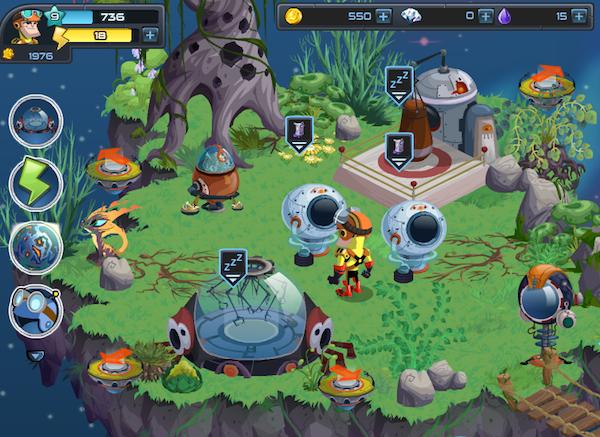
If you think about it, most games are made with the intention to solve a problem. Whether it's an attempt to move a genre forward or plug in some longstanding gaps, the lion's share of developers are actively trying to - however little - shift (or sometimes completely change) the paradigm. In the case of Tynon, a browser game with hardcore hooks and a meaty story, it's clear studio uCool set out to do both of these things.
It's the Age of Discovery, and Spain is interested in nothing more than traveling to uncharted lands filled with gold. However, when a Spanish expedition goes missing, the goals become more complicated. As the leader of a second expedition, you'll follow in the footsteps of the missing Spaniards, and must track down any survivors while also gathering any gold you come across for the crown.
The MMORPG is an interesting case study. Here in the West, most of us equate the term "MMO" with games like Star Wars: The Old Republic, Runescape, and World of Warcraft. Yet, from a global aspect, a large portion of the most populated MMOs come from the East, including Ragnarock Online, Dungeon Fighter Online, and Dofus, each sporting tens of millions of users each.
If I had a nickel for every time that I heard someone was advertising "The next Pokémon", I'd be able to afford plenty of better games. The monster capture genre is hard to pull off: you need a perfect balance of engaging combat, decent animations, rewarding exploration, and depth. To this date, I haven't found a single game even worthy of the Pokémon comparison. Until now.
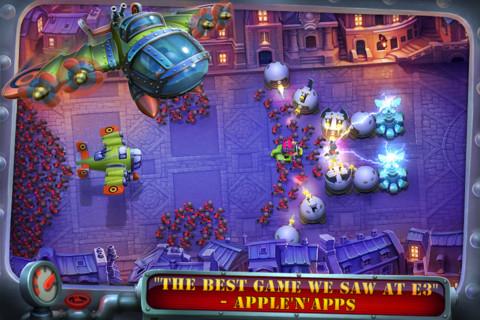
Some people argue that it isn't enough for a sequel to do what made the original great. That in order to stand out, it has to veer of the beaten path and introduce new features, and in some cases, an entirely new play style. You know the ones. The people who who get their hands on a sequel on release day, play it for a little while, and immediately start complaining that it's "just like the first one!" These people haven't played Fieldrunners 2.
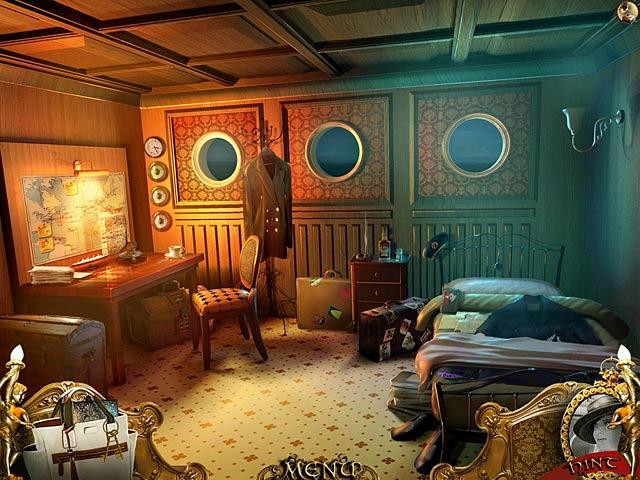
Titanic's Keys to the Past started life as "Titanic: Unsolved Mysteries," and when we previewed the game back in March, it seemed like it could have a lot of potential. Unfortunately, screenshots can only tell you so much, as the final product is a horribly designed, technical mess that feels like nothing more than a heartless cash-in on the 100th anniversary of the sinking of the Titanic.
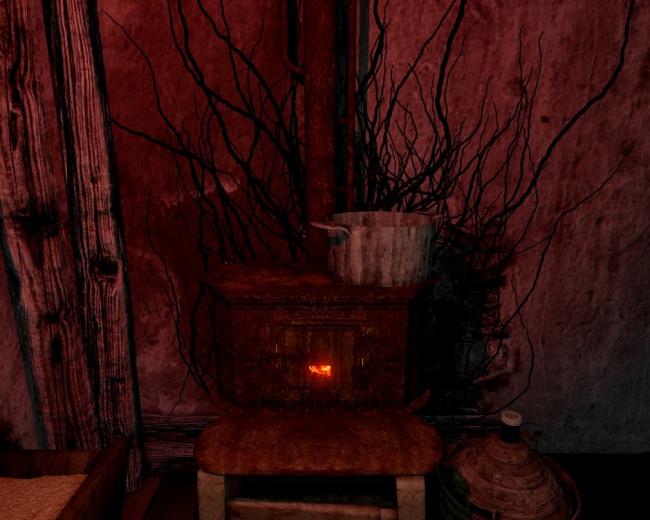
It's been argued time and time again that most classic adventure games cast logic aside in their puzzle design. I wouldn't say that's entirely false (a rubber chicken with a pulley in the middle? Really?), but generally there was at least some thread of rationale behind what was expected of the player. Regrettably, the same cannot be said of many of the puzzles in Anna.


![All VV Ultimatum Titles [How to Get]](/wp-content/uploads/2026/06/vv-ultimatum-titles.jpg "All VV Ultimatum Titles [How to Get]")