


![Hololive Dreams Tier List [Best Cards]](/wp-content/uploads/2026/07/hololive-dreams-tier-list.jpg "Hololive Dreams Tier List [Best Cards]")


Hololive Dreams Tier List [Best Cards]
The best cards for the best performances.


![Iron Soul Dungeon Weapon Tier List [Best Weapons]](/wp-content/uploads/2026/07/iron-soul-dungeon-weapon-tier-list.jpg "Iron Soul Dungeon Weapon Tier List [Best Weapons]")
Don’t get mad…


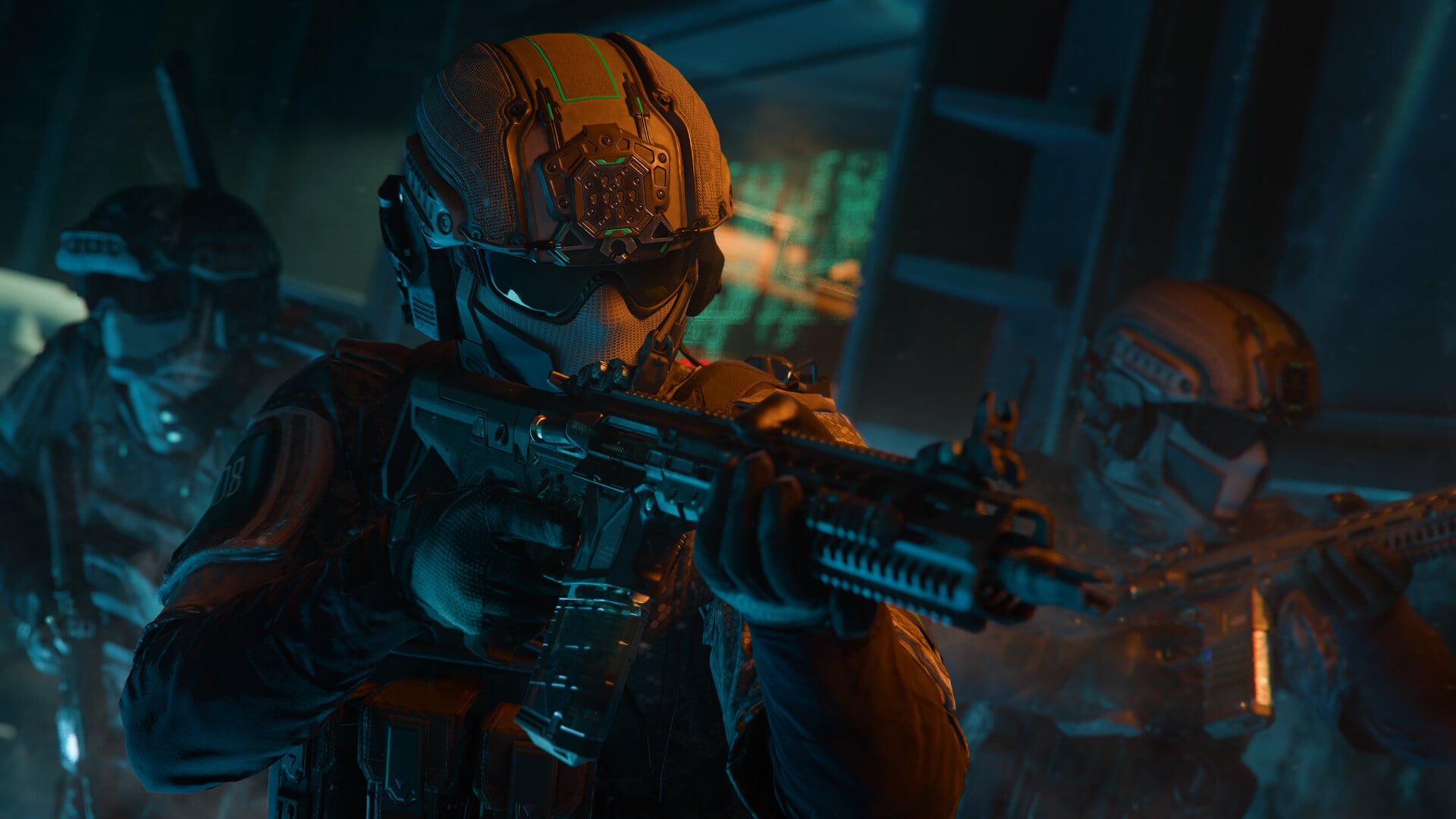
We’ve all done it: slammed the controller down, stormed off, then came back ten minutes later to queue again. Rage-quitting is part tantrum, part ritual. And in games like Call of Duty, it’s almost an art form. But the real surprise? Most players don’t stay mad. They rage, cool off, and log back in. There’s a psychological logic behind that loop.
Whether you’re buying access for the first time or replacing a dodgy download, a Call of Duty: Black Ops 7 Xbox key gets you into the chaos quickly.
That same immediacy is part of the rage-quit cycle. We have teamed up with Eneba to have a look at the whole process and the science behind it.
What actually makes us rage-quit?
There are three stages, and the first is Tilt. Borrowed from poker, “tilt” is the spiraling frustration that follows a bad streak. One unlucky death leads to riskier decisions and more losses.
The second is loss aversion. We feel losses harder than gains, that’s just a fact. Losing a match or a streak hurts more than the joy of a small win, so players react strongly to setbacks.
Third are flow interrupts. Games aim to create flow, a sweet spot between challenge and skill. Repeated deaths or perceived unfairness yank players out of flow, triggering anger.
What Fuels Frustration?

What doesn’t help to quell frustration are a few key things too. This includes immediate feedback such as loud hit markers, announcers, and scoreboards. All these make losses feel intense and personal.
Then there are matchmaking quirks like crossplay, aim-assist differences, or bad lobbies – which can feel unfair, especially to players who think the rules are stacked.
Finally there can be killcams and leaderboards which show who failed and who succeeded, adding social pressure to perform.
Why we forgive, reload, and return
We always come back though. Anger spikes, then melts. Short pauses let cortisol drop and rational thinking return — the same brain that threw the controller now remembers the fun. The game’s design helps here: short matches, rapid queue times, and the promise of “just one more round” make re-entry painless.
Don’t forget the variable rewards up for grabs too. The unpredictable thrill of a clutch play or a rare unlock are dopamine gold. These intermittent wins are psychologically powerful.
Playing with friends, being part of a clan, or simply having invested time into progression creates social and psychological stakes too. You don’t want to abandon teammates or lose progress, so you return – often with a little humility and a fresh strategy.
The Solution

But there are ways to rage less and enjoy more. You can first off take micro-breaks – step away for five minutes before queuing again.
Then there’s the option to mute toxic players – communication matters more than noise. You can also switch modes, as a quick casual playlist resets expectations. Finally maybe track one small metric such as accuracy and objective time instead of obsessing over the scoreboard.
Good luck out there!
