How Resident Evil Has Made A Lasting Impact on Pop Culture

From games to movies – and beyond

By
Share this
  • Share this on Facebook
  • Share this on Twitter
  • Prefer Gamezebo on Google Prefer Gamezebo on Google

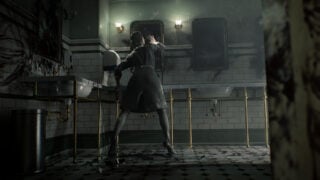
Resident Evil isn’t just a long‑running game franchise. It’s a cultural force that has influenced entertainment around the world. 

Since its debut in 1996, the undead world of V‑Virus outbreaks, twisted labs, and survival horror has seeped into gaming, movies, television, and even other video games. 

Its blend of fear, storytelling, and cinematic structure has shaped how people think about horror in interactive media, while echoes of its zombie lore have appeared everywhere from anime and comics to blockbuster films. We’ve teamed up with Eneba to discuss this whole grisly matter in greater detail.

A Franchise Born of Horror

When the original Resident Evil arrived, it helped define the survival horror genre and bring cinematic sensibilities to video games with its tense pacing and dramatic cutscenes. This shift toward a more film‑like presentation helped expand the audience for games that weren’t just action titles.

Over the years, Resident Evil has continued to push its narrative and visual boundaries too, inviting players into a dark, virus‑ridden world built on deep lore and memorable characters. The impact of this design is still visible in many modern horror and action games that borrow its emphasis on tension and storytelling.

Early entries shaped how zombie scenarios could be used in games and encouraged other creators to explore similar themes. Decades later, the franchise’s legacy had grown so large that players would discuss lore, characters, and game mechanics with the same enthusiasm as fans of epic fantasy series. Even searches for Resident Evil 9 key reflect how integral the series has become in conversations about gaming.

From Games to the Silver Screen

Resident Evil’s reach didn’t stop with consoles and PCs either. The series spawned a long‑running set of live‑action films beginning in 2002, blending action‑horror aesthetics with the franchise’s core ideas. 

These movies kept Resident Evil in the spotlight for years and brought elements of its universe to audiences that might never have touched a controller. Alongside these blockbusters, animated films and series tied directly to the game world explored side stories and expanded the universe even further.

The influence of Resident Evil also echoes in other zombie films, with writers and directors often citing it as inspiration for their own projects. Its unique mix of survival tension and creature encounters has reshaped how undead narratives unfold in film and beyond, with works like 28 Days Later and The Walking Dead drawing clear inspiration from the series.

Influences Across Media

Resident Evil’s reach extends into other forms of entertainment, too. In anime and television, characters and scenes sometimes nod to the series’ signature horror beats, and manga have referenced its settings or mechanics. Its influence on pop culture can even be seen in works that don’t directly involve zombies but borrow atmospheric cues or storytelling techniques rooted in the series’ style.

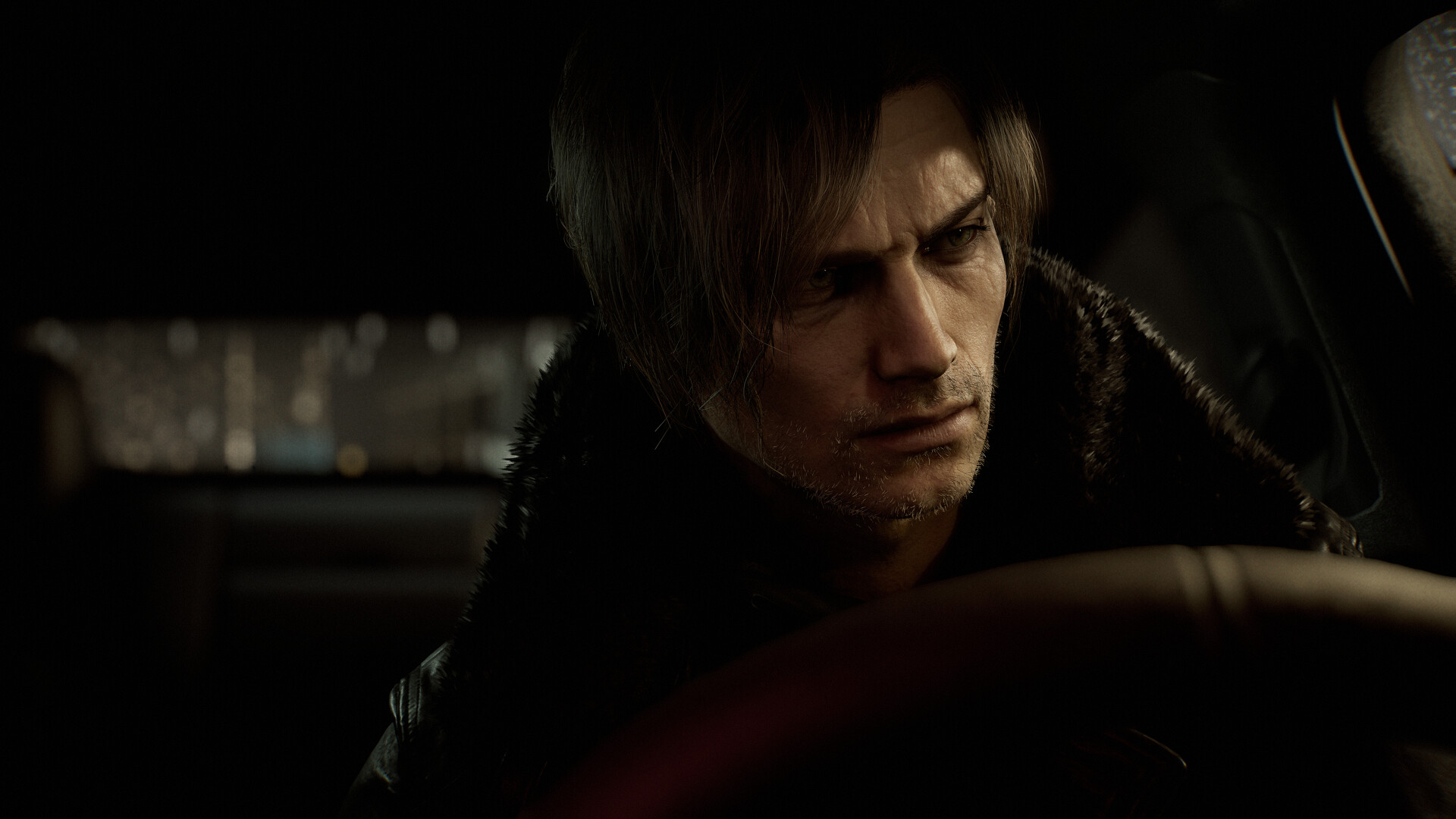
Music, merchandise, fan art, and cosplay all reflect the series’ cultural footprint. People who never played the games often recognize iconic elements like the Umbrella Corporation emblem, character archetypes like Leon S. Kennedy, or even infamous enemies like the Licker. That kind of broad recognition shows how deeply Resident Evil has embedded itself into global pop culture.

A Legacy That Keeps Growing

Resident Evil’s influence is undeniable, not only due to the number of games, films, and adaptations it has spawned but also in how it reshaped the horror genre. The series played a crucial role in pushing video games beyond mere entertainment into powerful storytelling platforms, blending immersive narratives with player-driven experiences. 

Its success also contributed to the resurgence of zombie themes in pop culture, influencing films, TV shows, and other media. The impact is still felt today, as new installments, from game sequels to movie reboots, continue to build on the series’ rich legacy.