A Look Into the Ever Changing World Of Esports

And how to stay updated on it all

By
Share this
  • Share this on Facebook
  • Share this on Twitter
  • Prefer Gamezebo on Google Prefer Gamezebo on Google

Esports is arguably evolving faster than any other entertainment industry. There’s a seemingly neverending surge of new tournaments, roster changes, patch updates, and meta shifts across a range of competitive titles.

Fans and analysts are expected to keep up with this rapid flow of information in order to fully understand the competitive landscape. However, the sheer volume of content makes it difficult to separate meaningful updates from noise.

So we’ve teamed up with EGamersWorld to explore practical methods to follow the scene efficiently, avoid misinformation, and stay connected to the most important developments.

Esports Info Moves Fast

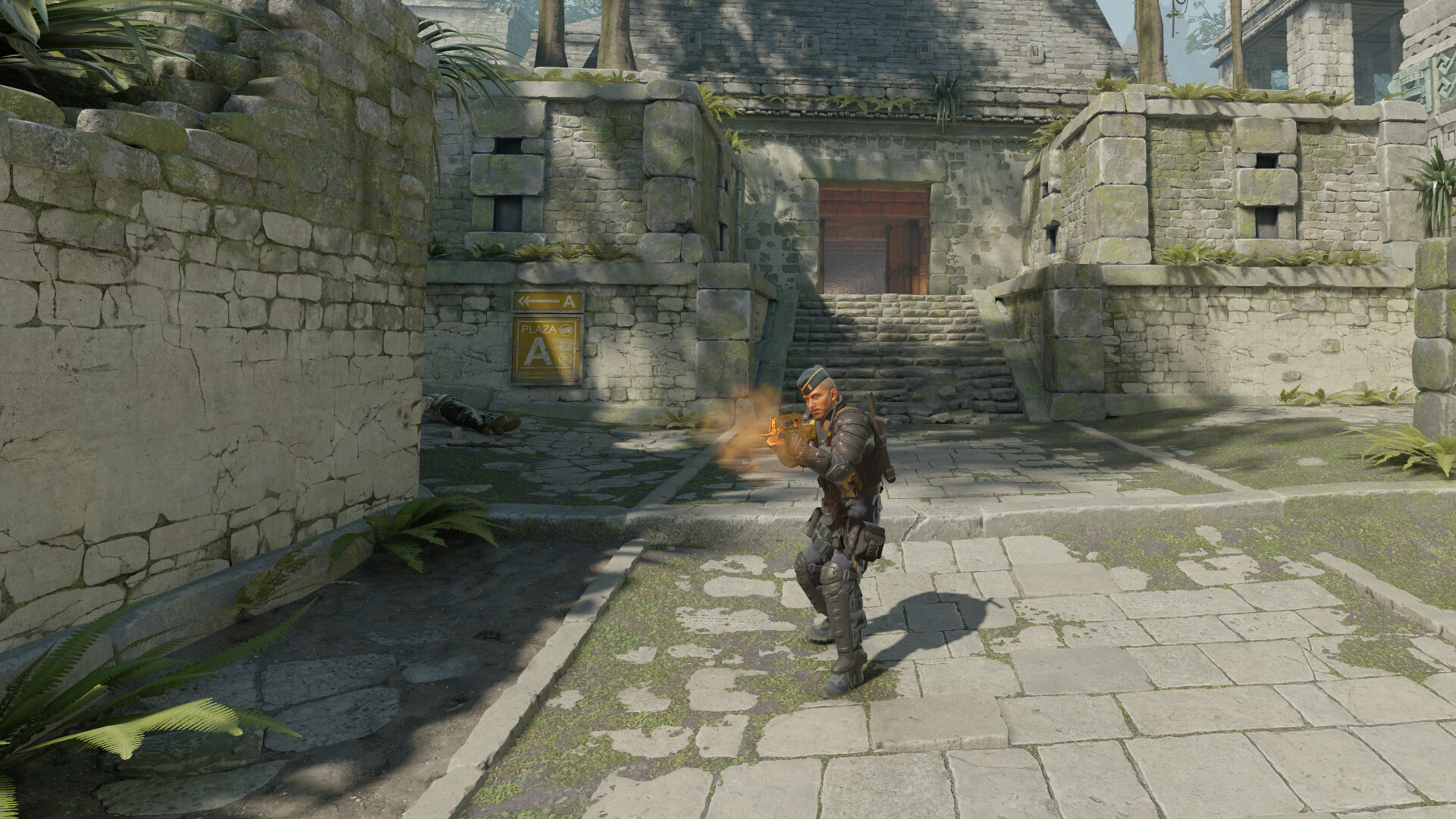
The esports ecosystem is driven by constant updates, especially in major titles like Counter-Strike 2, where changes in maps, weapons, and strategies can immediately impact competitive outcomes. News spreads quickly through social media, official announcements, streaming platforms, and community discussions. This creates an environment where information is both instantly accessible and highly fragmented.

Because of this rapid flow, it can be a struggle to identify what is truly important. Rumors often circulate before official confirmations, and casual discussions can sometimes be mistaken for factual updates. This makes it crucial to develop the ability to filter reliable information from speculation.

One of the most effective approaches is relying on structured esports ecosystems that centralize updates, match results, and analytical insights. Many competitive viewers use trusted platforms like EGamersWorld to track tournaments, team performance, and roster changes in a more organized way. This helps reduce confusion and ensures that users focus on verified information rather than scattered community noise.

Building a reliable esports information system

To stay consistently updated, it is important to build a personal system of trusted sources. This includes official tournament organizers, developer announcements, professional analysts, and reputable esports media platforms. A structured system ensures that information is not only fast but also accurate and relevant.

When using platforms like EGamersWorld, users gain access to organized match schedules, team statistics, and competitive breakdowns that make it easier to understand ongoing events. Many rely on EGamersWorld to follow esports tournaments more efficiently, especially when multiple competitions are happening at the same time. This structured approach helps eliminate unnecessary distractions and keeps attention focused on key developments.

In addition to official sources, community discussions can provide additional context, but they should always be verified. Cross-checking multiple sources helps avoid misinformation and ensures a more balanced understanding of the esports scene. Over time, this habit builds a more reliable and informed perspective.

Following teams, players, and competitive trends 

Another important strategy for staying updated is focusing on specific teams, players, or regions. Instead of trying to follow everything, narrowing your attention allows for deeper understanding and better retention of information. For example, tracking top organizations in Counter-Strike 2 or regional leagues helps fans identify patterns in performance and strategy.

Professional esports teams often evolve their playstyles based on meta shifts, roster changes, and tournament experience. By following these changes closely, fans can better understand why certain teams rise or fall in rankings. This also helps in predicting future outcomes and identifying emerging talent.

Tracking individual players is equally important. Star players often influence team performance significantly, and their form can determine match results in high-pressure situations. Observing consistency, adaptability, and leadership qualities provides deeper insight into competitive dynamics.

Managing information overload in esports

While staying informed is important, consuming too much information can lead to burnout and confusion. Esports fans are often exposed to continuous updates, notifications, and discussions that can become overwhelming over time. Without proper management, this can reduce enjoyment of the scene.

To avoid information overload, it is recommended to set specific times for checking updates rather than constantly monitoring news feeds. This helps create a healthy balance between staying informed and maintaining focus on other activities.

Another useful method is prioritizing information based on relevance. Not every patch note or roster rumor needs immediate attention. By focusing only on meaningful updates, fans can reduce cognitive load and improve their understanding of the competitive landscape.

This approach ensures that esports remains enjoyable rather than stressful, allowing fans to ultimately engage with the scene in a more sustainable way.